A conveyor’s drive system - motor, reducer, head shaft, and sprockets - is the most expensive and failure-prone part of the machine. Overload and jamming protection sacrifices a low-cost component, or trips the power, so the energy of a jam never reaches the drivetrain.
There is no single right answer. The correct protection depends on the application: how the line runs, how often jams happen, how quickly the line needs to recover, and how much maintenance the crew can take on. Below are the methods Transcon uses, what each does well, and where each has trade-offs.
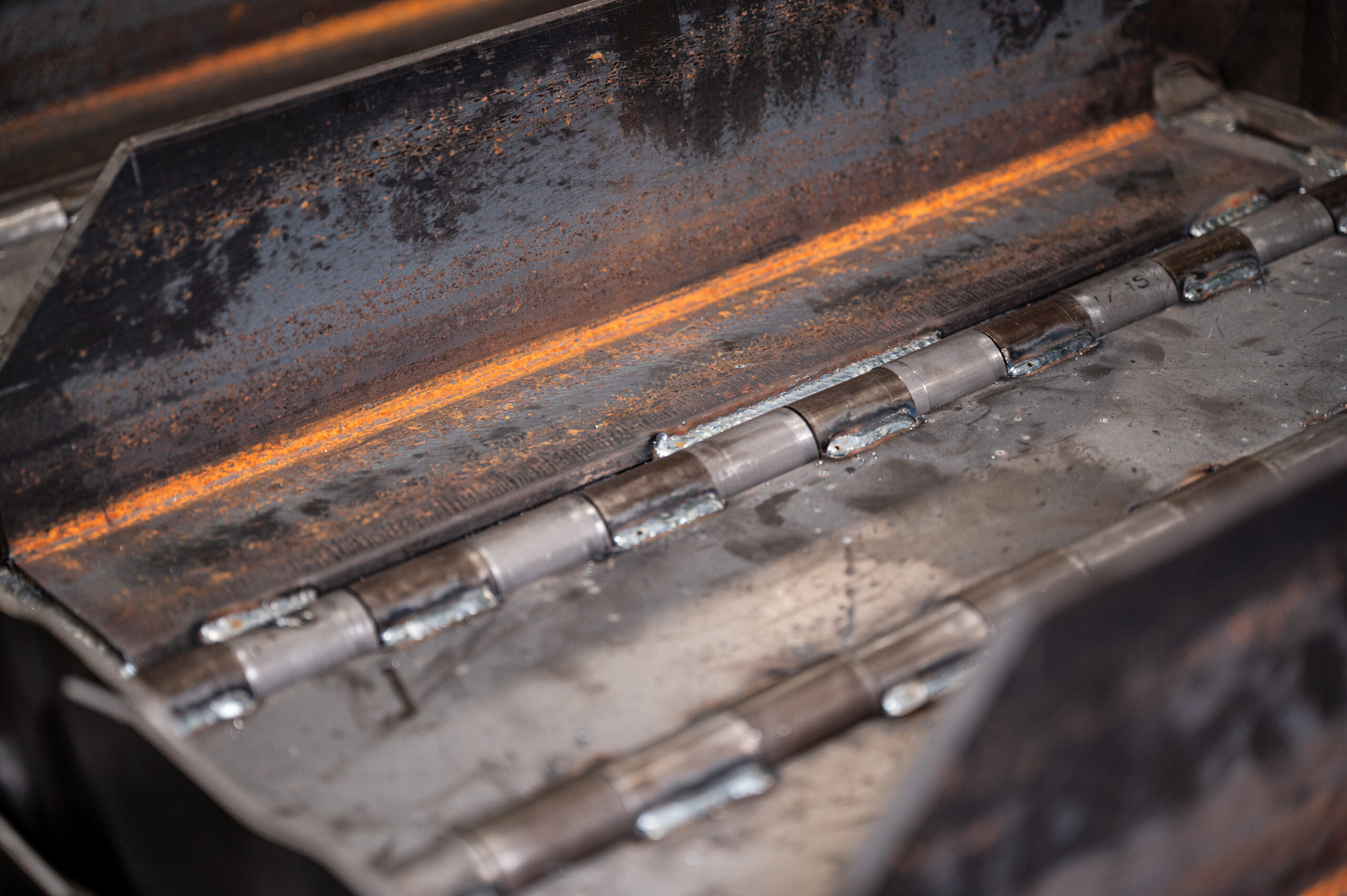
Electric Shock Current Monitor
An electric shock current monitor detects sudden spikes in the motor’s current draw - the signature of an overload or jam. It senses the spike and trips, cutting power to the drive before the damage spreads. It installs into the conveyor controls for easy access and is adjustable, giving you direct control over how the conveyor is operated. Best when you want an electrical safeguard wired into the control panel that is easy to tune.
Motor Overload Clutch
A motor overload clutch mounts between the motor and the reducer. It is set to a specific torque value; when the load exceeds that value, the clutch disengages and lets the drive spin freely, protecting the gear train. To reset it, the drive is stopped and run in reverse to re-engage the clutch. Because it is a mechanical component, its wear parts need to be replaced periodically.
Torque Limiter
A torque limiter (such as a Torque Tamer) attaches to the head shaft and the driven sprocket and monitors the torque on the drive components. Once torque exceeds the maximum setting, the limiter slips and allows the driven sprocket to spin freely, minimizing damage to the motor and reducer. It offers some adjustment, and like the clutch, its wear parts need to be replaced periodically.
Shear Pin Hub Assembly
A shear pin hub assembly attaches to the head shaft and the driven sprocket. The shear pin’s neck is sized to the maximum torque the drive components should never exceed. If an overload or jam pushes torque past that limit, the pin shears and lets the driven sprocket turn freely - sacrificing a low-cost pin to save the drivetrain. Once the jam is cleared, a new pin is installed and the conveyor is restarted. Simple, inexpensive, and decisive, with the trade-off that someone has to replace the pin after every event. Always use OEM shear pins - they are designed to shear at the proper maximum load.
Custom Overload Protection
Transcon is not limited to the methods above. If you prefer a different type of protection, or a specific brand, our engineering staff will design the correct system for that conveyor and application. The protection is matched to the line, not pulled from a catalog - see our custom conveyor capabilities.
Overload protection works hand in hand with correct take-up tensioning and sound belt construction - see our steel belt conveyor specifications. It is standard on Transcon chip removal and scrap handling systems, and replacement shear pins, hubs, and limiters are available through a parts request.
Not sure which protection your line needs?
The right choice comes down to your duty cycle, how often you see jams, and how quickly you need to be back up and running. Send us your application and our engineers will help you spec the right overload protection for your conveyor.