Conveyor Maintenance
Preventive Maintenance to Maximize Conveyor Uptime
It is easy for maintenance to take a back seat to day-to-day production demands. When a line is running smoothly, stopping it can feel counterproductive, especially when teams are focused on meeting quotas and keeping output on pace. This reactive cycle often leaves little room for proactive planning.
However, conveyor maintenance is not optional. Like any critical piece of equipment, deferred maintenance increases risk and almost always results in longer, more disruptive downtime when failures occur.
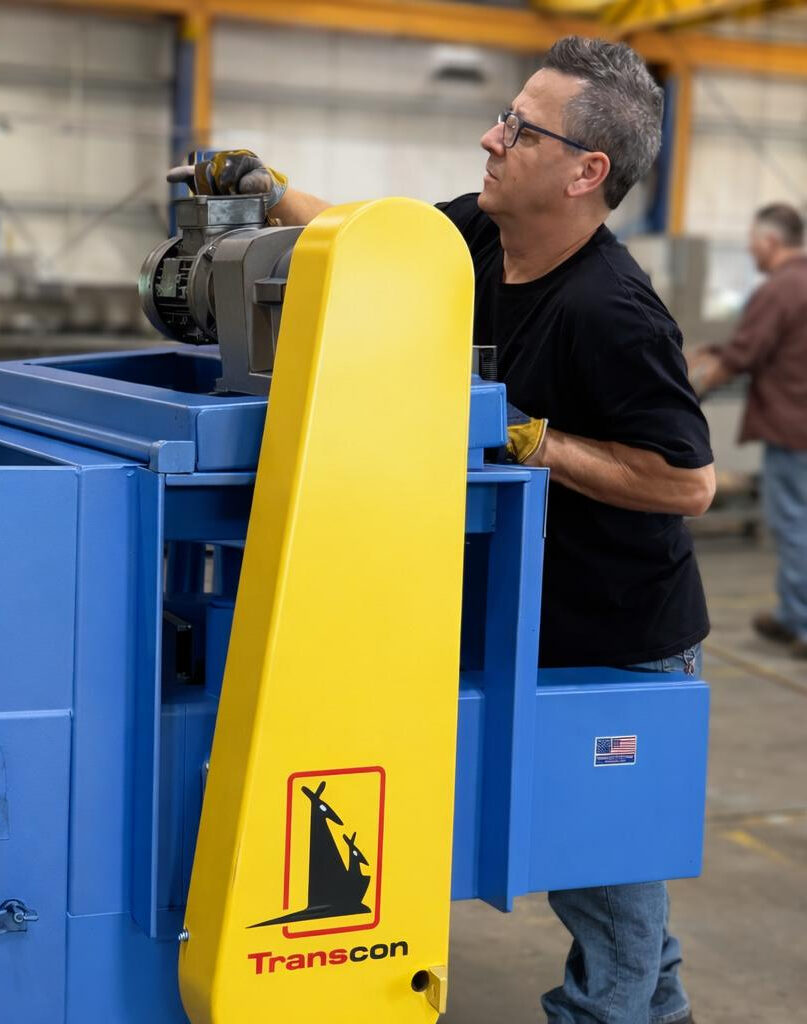
Transcon Conveyor technicians bring deep, hands-on expertise to every installation and repair. We go beyond the immediate fix by working directly with our customers to demonstrate proper maintenance and monitoring practices, helping teams protect their investment, extend equipment life, and avoid unnecessary production interruptions.
A well-maintained conveyor lasts longer, runs safer, and costs less to operate. Plan ahead. Reduce downtime.
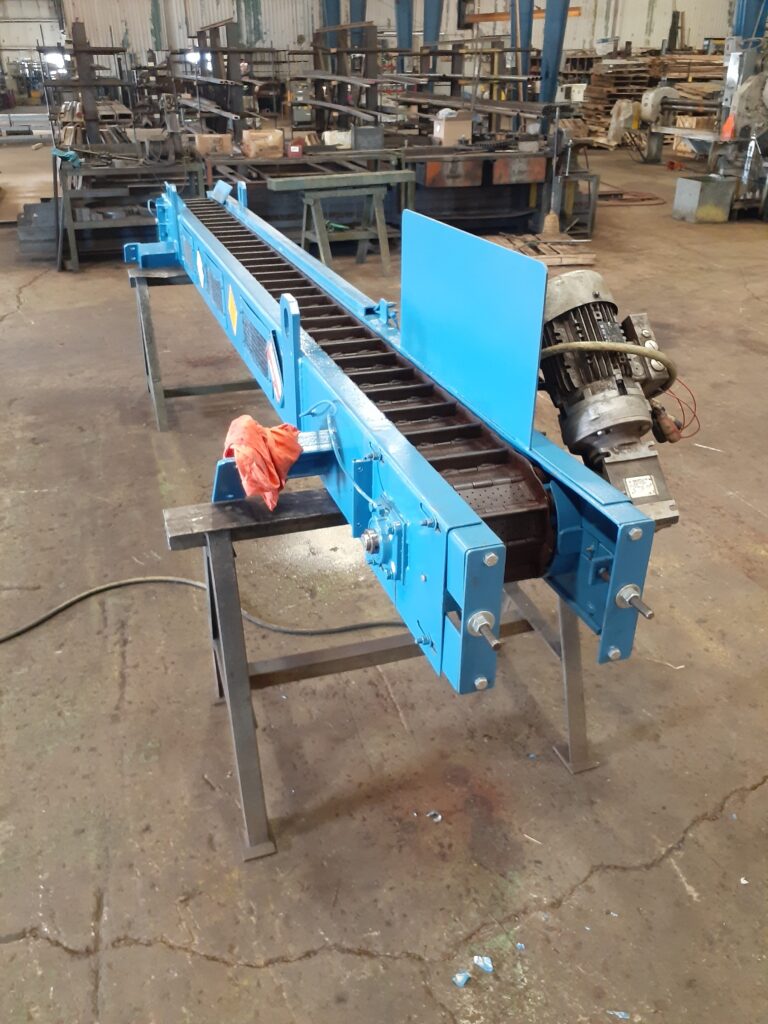
Protect Your Investment
Preventive Maintenance for Long-Lasting Conveyor Performance
Even the most durable conveyors require routine maintenance to perform at their best. Transcon offers clear maintenance guidelines, inspection intervals, and service resources to help your team identify issues early and prevent costly unplanned downtime.
Maintenance support includes:
- Routine conveyor inspection guidelines
- Belt tracking, alignment, and tension checks
- Lubrication schedules for bearings and drive components
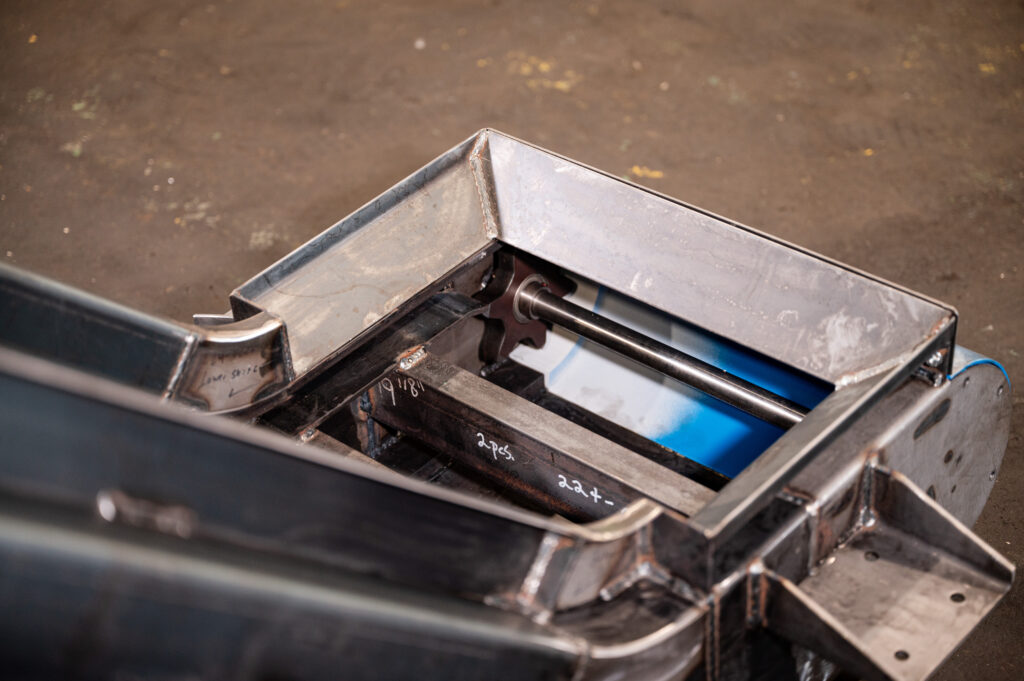
- Wear surface and hinge inspection
- Motor, gearbox, and sprocket evaluation
- Impact zone monitoring
- Safety component inspection
- Replacement part recommendations
Our recommendations are practical, easy to implement, and tailored to industrial-duty conveyor systems operating in harsh environments.
Transcon Conveyor
- Detailed maintenance resources
- Clear inspection intervals
- Tailored to heavy-duty systems
- Helps extend service life
Leading Competitors
- Minimal documentation
- Generic, unclear guidelines
- One-size-fits-all
- Frequent unexpected failures
Support for All Conveyor Types
Maintenance Guidance for Transcon and All Other Conveyor Brands
You don’t need a Transcon-built conveyor to maintain it properly. Our maintenance resources apply to many conveyor types, allowing your team to maintain older systems or unsupported competitor models.
Maintenance resources available for:
- Steel belt conveyors
- Chip removal conveyors
- Scrap handling conveyors
- Chain and slat conveyors
- Powered roller conveyors
- Industrial flat belt systems
- Custom-built conveyors
- Legacy or competitor conveyors
Whether your system is new, aging, or in active use across multiple shifts, proper maintenance keeps it performing safely and reliably.
Better Maintenance Means Better Uptime
Proactive maintenance helps prevent emergency breakdowns, protects your equipment, and ensures consistent material flow. Transcon provides the tools and documentation your team needs to manage upkeep effectively.
Related Service Options
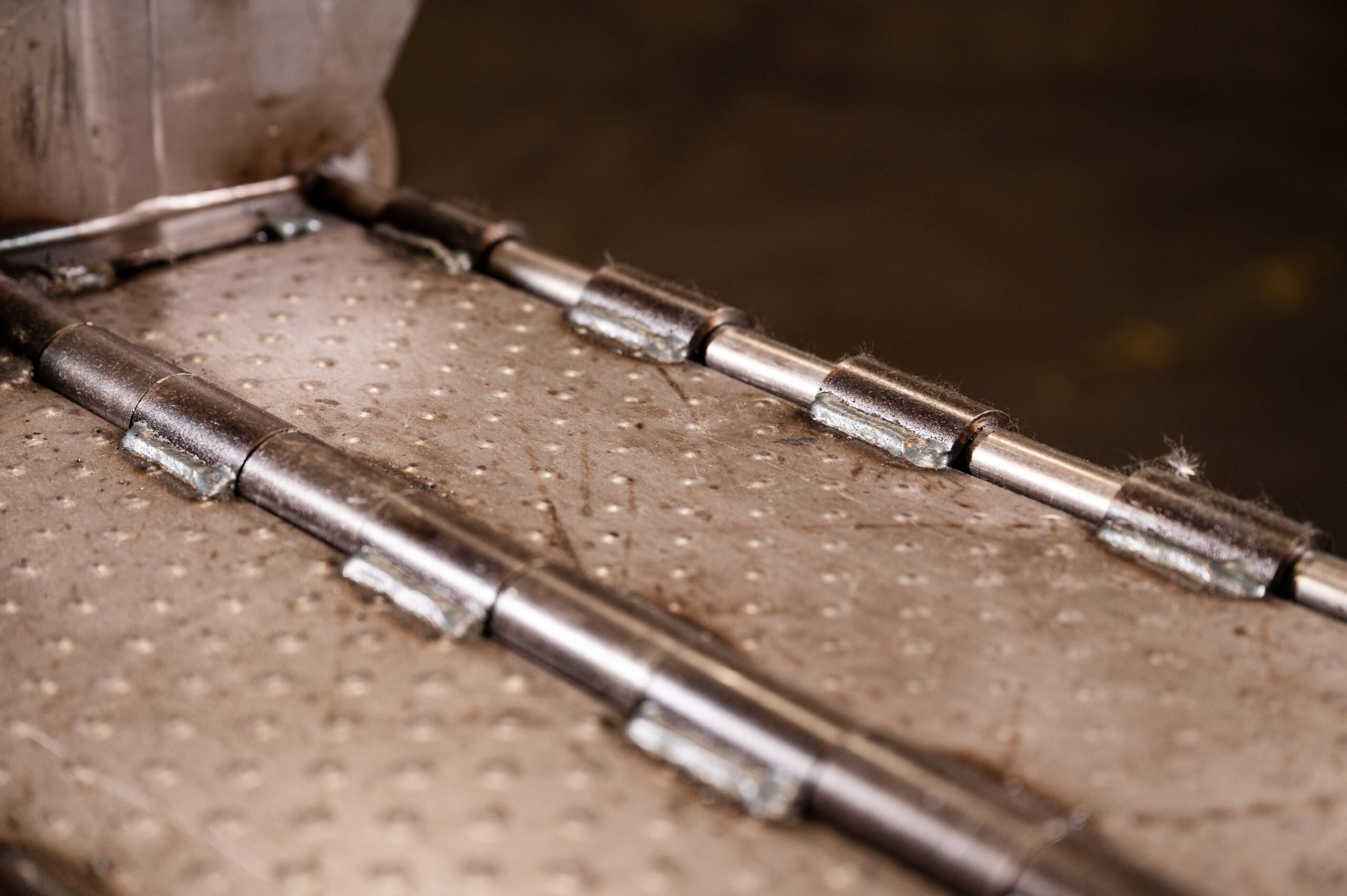
Conveyor Belt Replacement
New belts manufactured to your exact specifications for reliable performance.
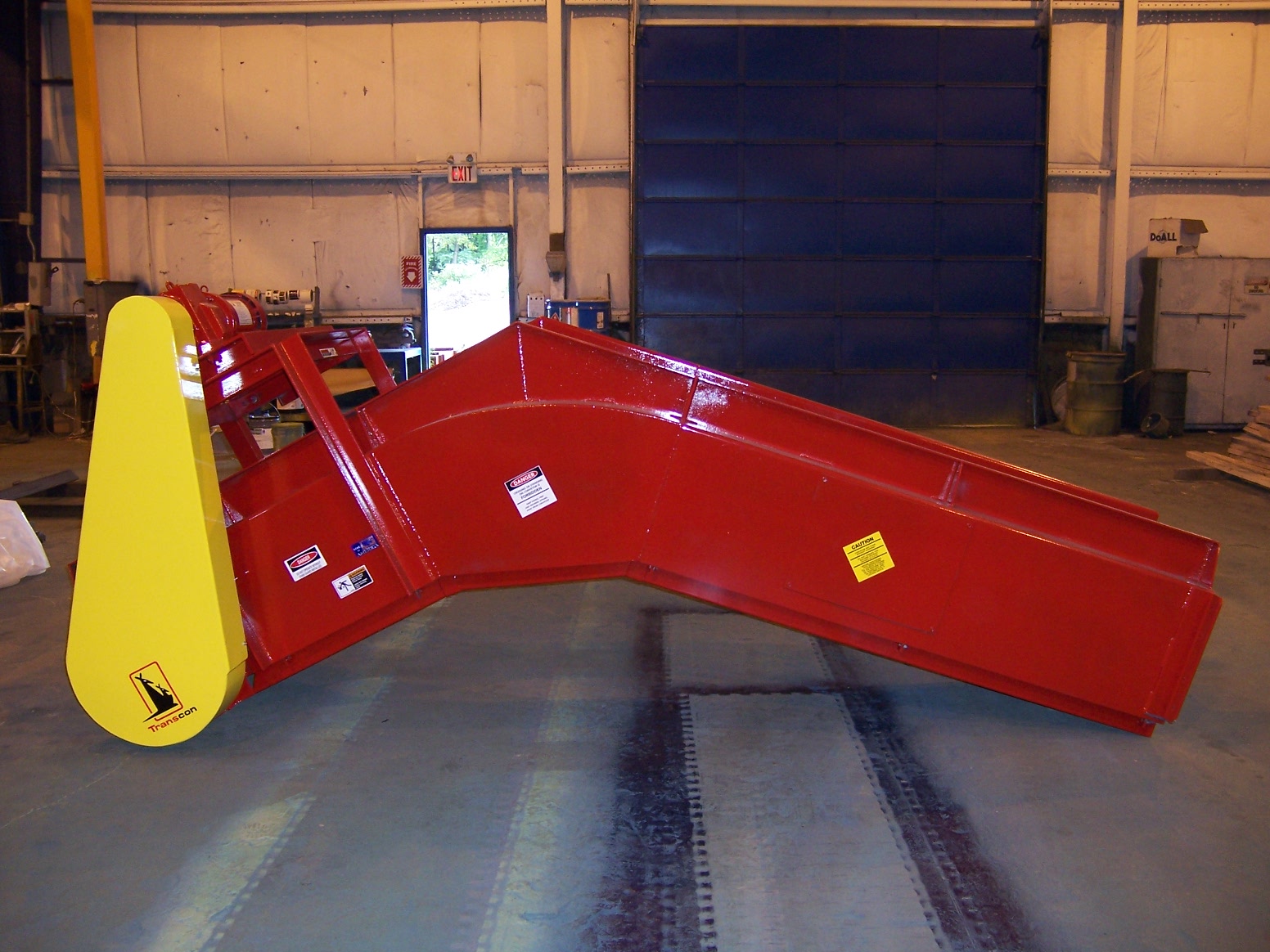
Custom Conveyor Systems
If your process requires a unique solution, we engineer conveyors tailored to your environment.
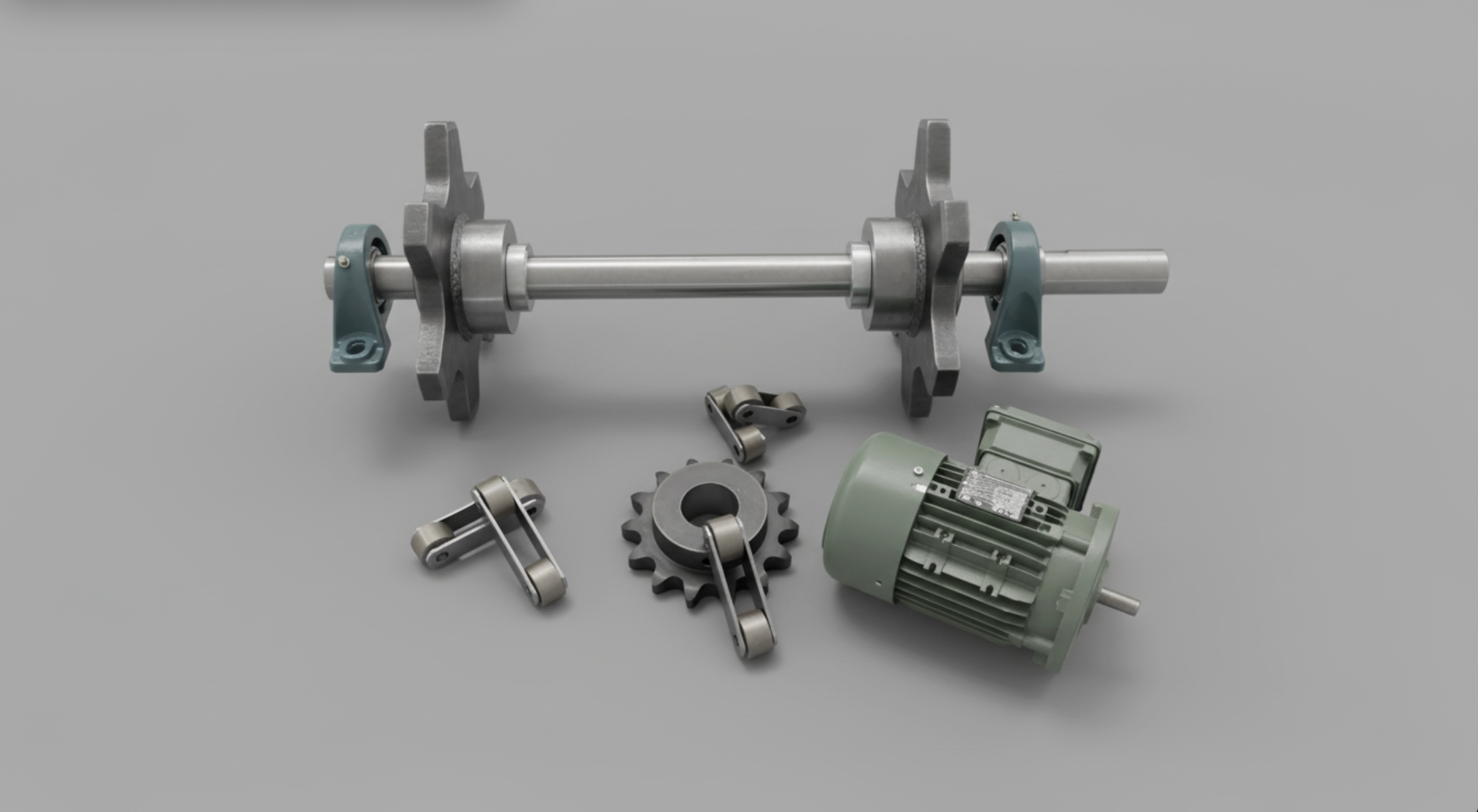
Maintenance Resources
Access manuals, guides, and inspection tools to protect your investment.
Common Questions
Short answers to what engineers and maintenance teams ask us most about this equipment.
What does a preventive maintenance program for conveyors look like?
An effective conveyor maintenance program includes daily visual inspections (unusual sounds, vibrations, material buildup), monthly belt tracking, alignment, and tension checks, regular lubrication of bearings and drive components, periodic hinge and wear surface inspections, motor, gearbox, and sprocket evaluations, impact zone monitoring, and safety component checks. We provide detailed maintenance guidelines and can help you establish a schedule tailored to your specific equipment and operating conditions.
Which conveyor take-up should I use?
It comes down to how reachable the ends of the conveyor are, and how hard the duty cycle is.
A standard screw take-up is simple and inexpensive, and it is the right answer when somebody can get to the end of the conveyor and check tension on a schedule. It comes in tail-end and head-end versions, and the head-end version exists for exactly the case where the infeed end is buried in the line.
Spring and air take-ups adjust automatically over the life of the belting, and they earn their cost when neither end is accessible or when heat cycling keeps changing belt tension. A spring wears over time and needs replacing. An air take-up needs room and a supply of shop air at the required psi.
Tension matters in both directions, since a loose belt damages equipment as readily as an overly tight one. More on conveyor take-up design.
What spare parts should we keep on hand?
We recommend stocking critical wear components specific to your conveyor type and application - typically drive sprockets, bearings, belt sections or connecting hardware, and motor components. Having these on hand can mean the difference between a quick repair and days of unplanned downtime waiting for parts. Our team can help you build a recommended spare parts inventory based on your specific equipment. Download our Spare Parts RFQ Form to get started.
How can I reduce unplanned conveyor downtime?
The two biggest factors in reducing unplanned downtime are implementing a proactive maintenance program and maintaining a critical spare parts inventory. Regular inspections catch developing issues before they cause failures, and having key parts on hand eliminates wait times when repairs are needed. We also recommend documenting your maintenance activities and tracking any recurring issues - patterns often reveal underlying problems that can be permanently addressed.
Does Transcon offer maintenance training for our staff?
Yes. Our technicians can train your maintenance staff on proper inspection procedures, routine maintenance tasks, troubleshooting common issues, and best practices for maximizing conveyor lifespan. Hands-on training helps your team catch potential problems early before they become costly breakdowns. This service is available for both Transcon conveyors and equipment from other manufacturers.
Need Maintenance Documentation or Guidance?
If you need a specific manual, guide, or maintenance resource, our team can provide the documentation you need to keep your conveyor performing at its best.
Improve Your Productivity with Transcon Conveyor
When you need high quality, long lasting conveyor systems, only a Transcon Conveyor System will do.
"(Required)" indicates required fields
We use your information to respond to your inquiry. See our Privacy Policy.
1 Business Day Response
60+ Years Experience
ISO 9001 Certified