
Why Your Sprockets Keep Wearing Out (And What It’s Actually Telling You)
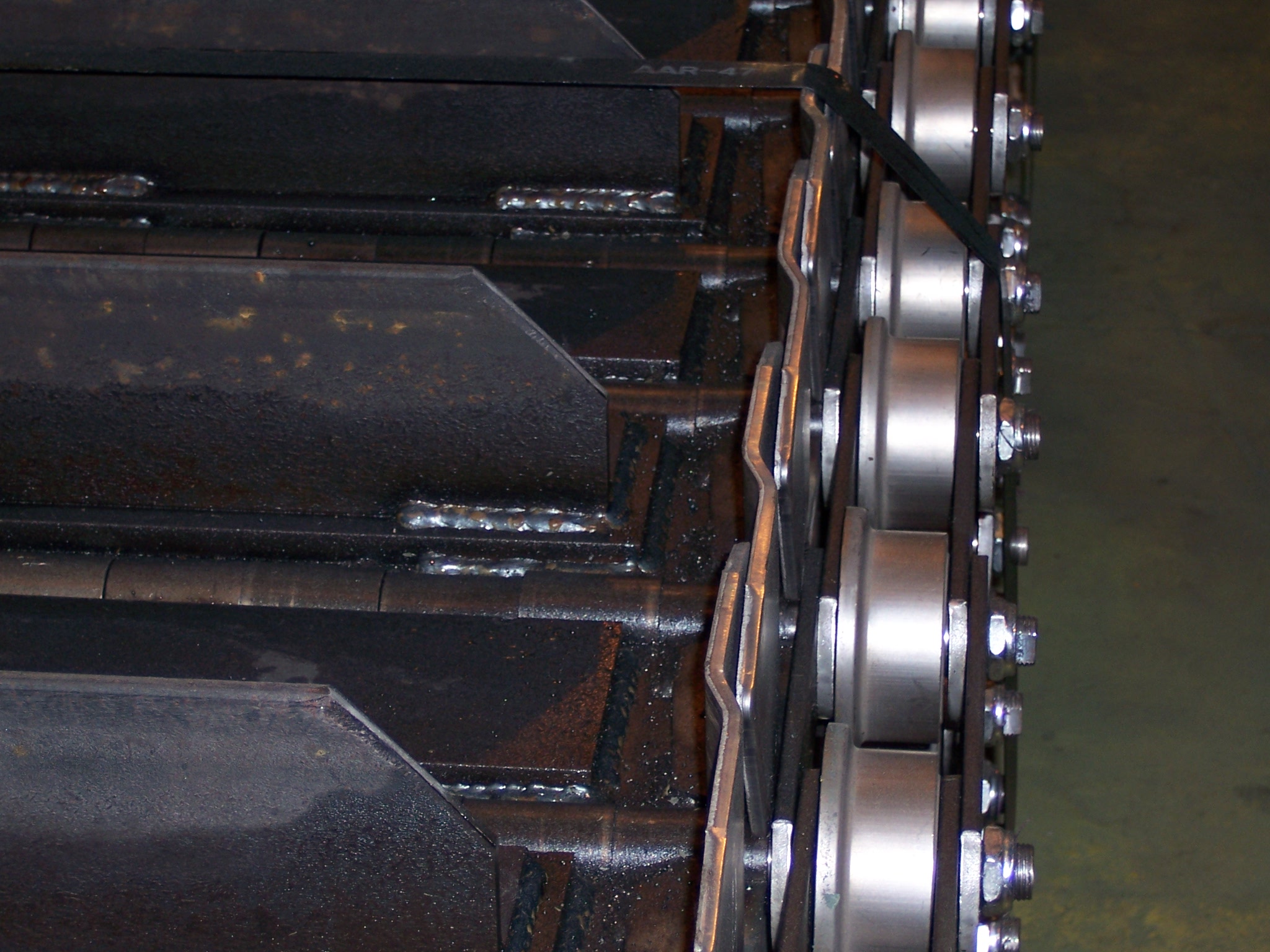
If you’ve replaced the same sprocket twice in a year, the sprocket isn’t the problem.
We get this call a lot. A maintenance lead opens a ticket, sends a photo of a chewed-up sprocket, asks for a quote on a replacement. A commodity distributor will quote the part, ship it, and move on. Six months later, you’re back with another photo of another chewed-up sprocket. Same line. Same position. Same wear pattern.
The part isn’t defective. The system is telling you something, and the sprocket is the only thing loud enough to hear.
Selling you a tire isn’t the answer
A worn sprocket is a symptom, not a cause. Mathew Frank, our GM, puts the difference between Transcon and a parts vendor this way:
“Somebody else comes in and sees your tires are worn, so they sell you a new set of tires. Transcon comes in and asks why the tires are worn in the first place.
Maybe the alignment is off. Maybe there’s a steering or suspension issue. The tires are just the symptom. Replacing them without fixing the root cause means you’ll be right back in the same situation later.
Most companies stop at, “Here’s the part number and here’s the price.” Transcon goes further. We identify what’s causing the problem, explain why it’s happening, recommend the corrective actions, and connect you with the right people to get it fixed.
We don’t just replace parts - we solve problems.”
That’s the model. Every customer-facing seat at Transcon is staffed by an engineer with shop-floor and design experience - not a salesperson with a price book. When you call about a sprocket, you’re talking to someone who can diagnose what’s actually killing it.
Transcon starts by following this step-by-step checklist - and many like it - whenever an operator or customer is having repeat issues.
Step 1: Check head shaft alignment
This is where most premature sprocket wear starts.
When the head shaft is even slightly out of square with the conveyor frame, the chain or belt no longer rides centered on the sprocket teeth. Load distributes to one side. Teeth on that side carry disproportionate force. The sprocket wears asymmetrically, and the wear accelerates as the geometry gets worse.
What to check:
- Is the head shaft parallel to the tail shaft within spec for your conveyor model?
- Are the pillow blocks torqued evenly on both sides?
- Has anything been welded, bumped, or adjusted on the frame recently?
Misalignment doesn’t have to be dramatic to do damage. A quarter-inch out of square over a long run is enough to chew teeth on one side of every sprocket in the drive train.
Step 2: Check the bearings
Worn bearings let the shaft wobble. A wobbling shaft can’t keep the sprocket in true rotation, and the sprocket grinds against the belt or chain instead of meshing cleanly.
Signs the bearings are the real culprit:
- Audible play in the pillow blocks
- Heat at the bearing housings during normal operation
- Visible runout when you spin the shaft by hand
- A grease schedule that’s been ignored for a quarter (or two)
Bearings are cheap. Sprockets are not. If the bearings are anywhere near end-of-life, replace them with the sprocket, not after it.
Step 3: Check belt or chain tension
This is the one operators can struggle with the most.
Too tight, and you’re loading the sprocket teeth far above their design force on every cycle. The added tooth force stresses the belt or chain and drives excess wear. Too loose, and the belt or chain skips teeth under load. Skipped teeth cause belt misalignment and a whole new world of problems.
The right tension for your belt isn’t on a sticker. It depends on belt material, pitch, drive type, and load. If you don’t have your original commissioning spec, that’s the conversation to start. We can pull it from our records on most jobs we’ve shipped since 1959.
Why this matters for your line
Replacing the visible part feels like progress. It isn’t. It’s a clock you’re resetting on the same broken system.
Diagnosing the root cause is more work up front. It’s also the difference between replacing the same sprocket every few months and getting years of reliable runtime out of it - far less downtime and far fewer unplanned maintenance calls.
We rebuild competitor conveyors all the time. Most of the rebuilds we do aren’t because the equipment failed. They’re because nobody asked why the part was wearing - they just keep replacing tires.
That’s the difference between a parts order and a partner. When you send us a worn sprocket, you get an engineer who’s going to ask about your head shaft, your bearings, your tension spec, and your run history before they quote anything. The quote you get back will probably be for the sprocket. The conversation you get back is the part that actually keeps your line running.
Got a sprocket you keep replacing? Send us a photo, the conveyor’s serial number if you have it, and we’ll tell you what we’d check first. Send a parts request →
Want a faster answer? Ask Joey, our AI assistant trained on six decades of Transcon manuals and field notes. Ask Joey →